Concrete blocks are one of the most used building materials. These are a fundamental component of modern construction. They are available in many dimensions and sizes to serve different purposes. They can influence the strength and design of a building.
In this article, I will share Concrete Block Dimensions, common concrete block sizes and shapes, with helpful facts and visuals that will help make informed decisions, whether you’re a homeowner or a contractor, as we’ll cover everything from standard sizes to innovative uses.
Standard Concrete Block Size
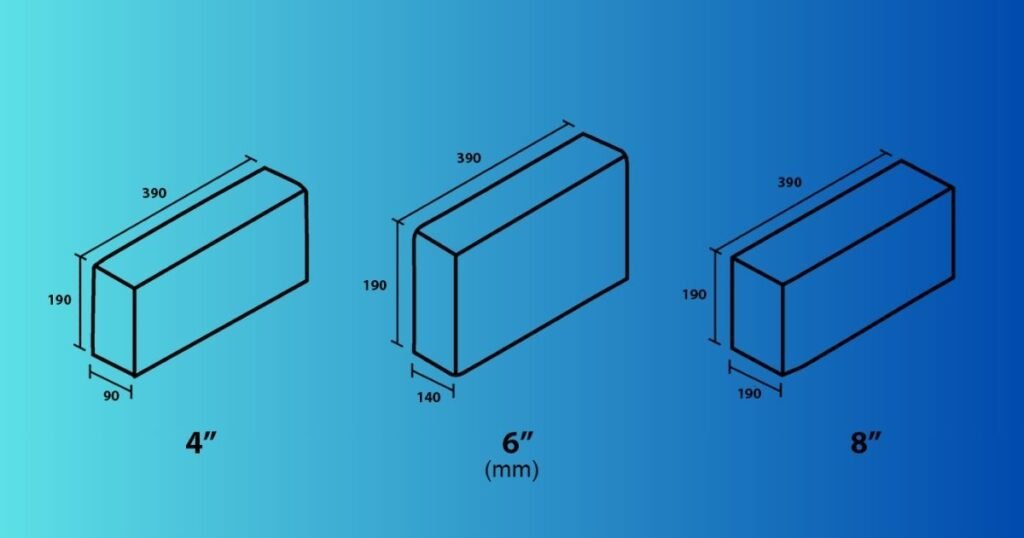
Standard concrete blocks are a popular choice in construction due to their size and versatility. The most common block size is 400 × 200 × 200 mm, which is approximately 16 × 8 × 8 inches. This size is easy to handle and stack. They are popular in construction for building walls, foundations, and other structures because they are durable and cost-effective. These blocks are usually made from a mixture of cement, water, and aggregates like sand or gravel.
Standard Concrete Block Dimensions
| Concrete Block Length (mm) | Concrete Block Height (mm) | Concrete Block Thickness / Width (mm) |
| 400 | 200 | 100 |
| 400 | 200 | 150 |
| 400 | 200 | 200 |
| 400 | 200 | 250 |
| 400 | 200 | 300 |
Concrete Block Sizes
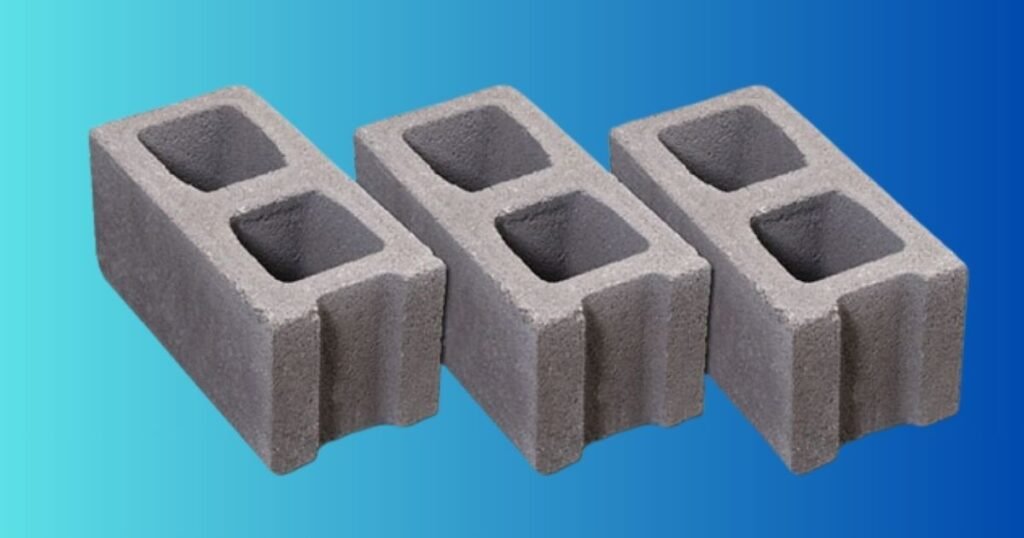
Concrete blocks come in various sizes, and understanding these can help in construction projects. The most common size is the standard concrete block, measuring 16 inches long, 8 inches high, and 8 inches deep. This size is versatile and used widely for residential and commercial buildings. Other sizes include half blocks, which are great for corners and small spaces, and full blocks, which are ideal for long walls.
| Concrete Block Sizes | Concrete Block Dimensions (Length × Height × Thickness) |
| Hollow Concrete Block Dimensions | 400 × 200 × 100 mm 400 × 200 × 150 mm 400 × 200 × 200 mm |
| Cinderblock Dimensions | 400 × 200 × 200 mm 400 × 200 × 150 mm |
| Solid Concrete Block Dimensions | 400 × 200 × 100 mm 400 × 200 × 200 mm |
| Aerated Concrete Block \ AAC Block Dimensions | 600 × 200 × 100 mm 600 × 200 × 150 mm 600 × 200 × 200 mm |
| Lintel Block Dimensions | 400 × 200 × 200 mm |
| Bullnose Block Dimensions | 400 × 200 × 200 mm |
| Split Face Concrete Block Dimensions | 400 × 200 × 100 mm 400 × 200 × 200 mm |
| Glass Block Dimensions | 190 × 190 × 80 mm 200 × 200 × 100 mm |
CMU Block Size
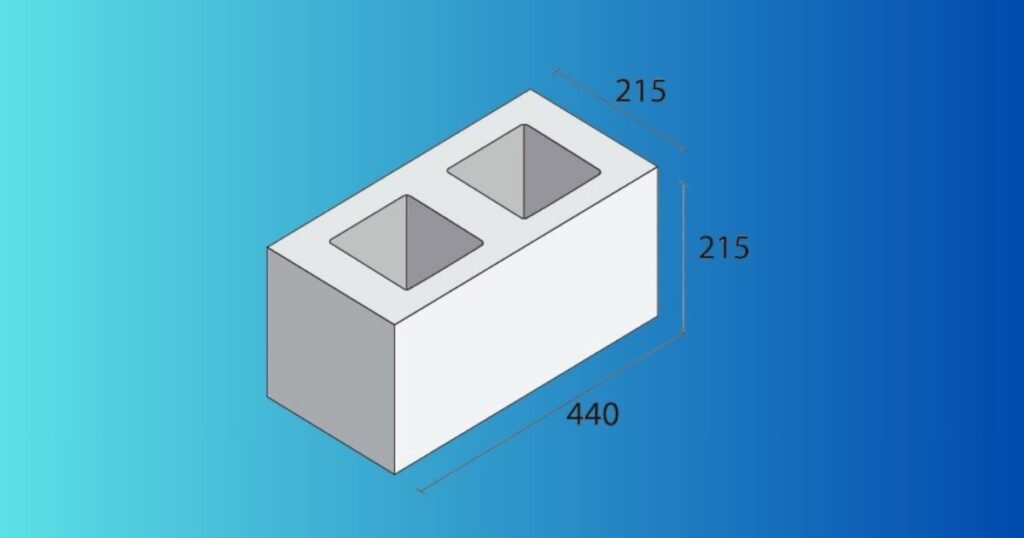
The most common size for a CMU (Concrete Masonry Unit) block is 16 × 8 × 8 inches, which is about 400 × 200 × 200 mm in metric. This size is popular because it is easy to handle and stack.
Typical CMU Block Dimensions
| Nominal Size (inches) | Actual Size (inches) | Actual Size (mm) |
| 4 × 8 × 16 | 3.625 × 7.625 × 15.625 | 92 × 194 × 397 |
| 6 × 8 × 16 | 5.625 × 7.625 × 15.625 | 143 × 194 × 397 |
| 8 × 8 × 16 | 7.625 × 7.625 × 15.625 | 194 × 194 × 397 |
| 10 × 8 × 16 | 9.625 × 7.625 × 15.625 | 244 × 194 × 397 |
| 12 × 8 × 16 | 11.625 × 7.625 × 15.625 | 295 × 194 × 397 |
| 14 × 8 × 16 | 13.625 × 7.625 × 15.625 | 346 × 194 × 397 |
| 16 × 8 × 16 | 15.625 × 7.625 × 15.625 | 397 × 194 × 397 |
Concrete Block Types
Concrete blocks come in various types for specific uses. The most common type is the standard concrete block, often called a cinder block. These are made from cement, water, and aggregates. They are used for building walls and foundations because they withstand weather and pests well. The insulated concrete block (ICF) is also important. These blocks have a layer of insulation. It provides better thermal efficiency.
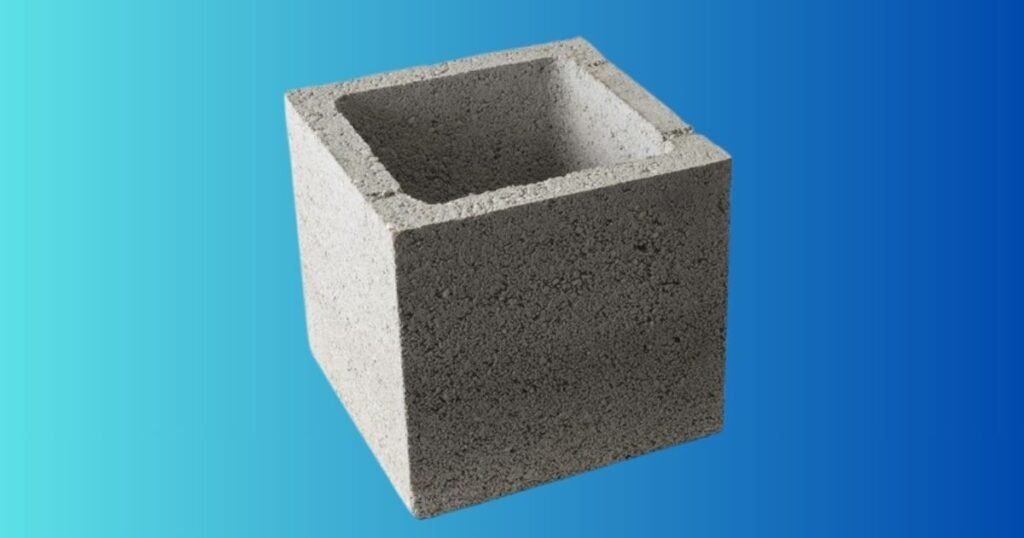
Pillar Block
Pillar blocks are essential in construction. These blocks are mainly used to create strong vertical columns. Their typical size is 400 mm in length, 200 mm in height, and 200 mm in width. These blocks usually have a hollow core.
U Block/Beam Block
The U Block, also known as a Beam Block, is essential for construction. Its U-shape is designed to hold reinforcement steel bars and concrete filling. This block is commonly used above doors, windows, or any openings to support structural loads.
Coping Block
A coping block is a vital part of boundary walls and parapets. It sits on top and protects the wall from rainwater. They prevent damage that could lead to costly repairs. This design usually has a flat or slightly sloped surface to encourage runoff.
Partition Block
Partition blocks are a smart choice for building non-load-bearing interior walls. These blocks are usually thin and hollow. They are lighter than standard concrete masonry units (CMUs). The typical size of a partition block is 400 mm in length, 200 mm in height, and 75 to 100 mm in width.
Corner Block
Corner blocks are essential for creating strong and neat corners in walls. These blocks come in an L-shape or have one end finished. Typically, they measure the same as standard concrete blocks, but the shape differs to fit specific needs.
Stretcher Block
The stretcher blocks are rectangular. They create a smooth and uniform wall surface. Typically, these blocks are sized at 400 × 200 × 200 mm, but their thickness can differ due to specific needs.
Jamb Block
Jamb blocks are vital components in construction. It is mainly used around door and window openings. They are typically hollow or shaped to provide extra support and ensure the alignment of openings is right. They fit seamlessly into most buildings with standard dimensions of 400 × 200 × 200 mm.
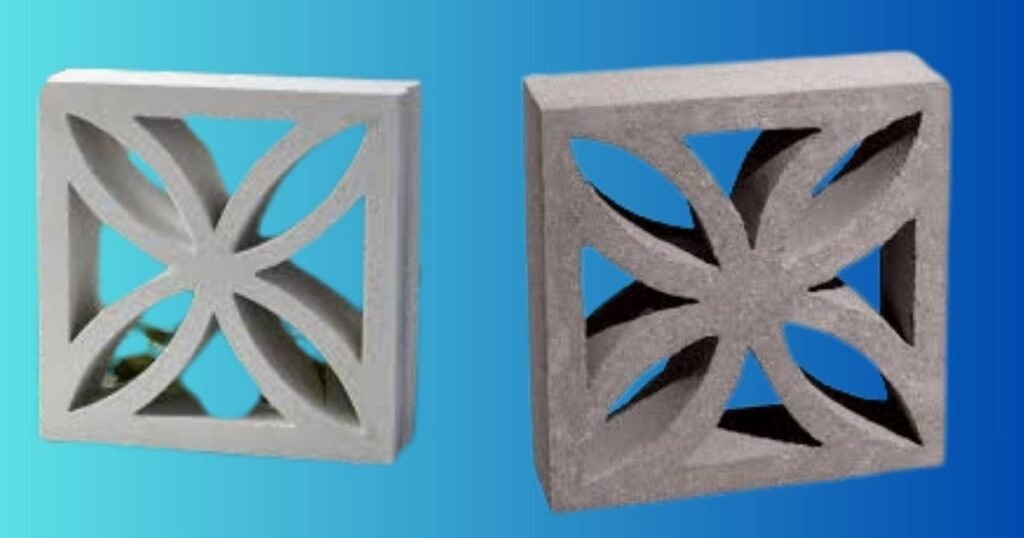
Decorative Block
Decorative blocks are useful for adding style to walls, facades, or partitions. These blocks come in various shapes, like patterned, perforated, or textured designs. Their standard size is usually similar to common concrete masonry units (CMU), measuring around 400 × 200 × 100 to 200 mm.
Conclusion
Understanding concrete block dimensions is essential for any construction project. These blocks come in various sizes, and knowing the standard dimensions can help you choose the right one for your needs. For example, the most common block size is 8 inches by 8 inches by 16 inches. This size works well for walls and foundations. When choosing the right dimensions, consider the specific needs of your build. It’s essential to measure accurately and follow local building codes to ensure your project is durable and effective.
FAQs
What are the Concrete Block Measurements?
Concrete blocks have standard measurements that make them easy to work with. The typical length of a concrete block is about 400 mm, or 16 inches. The height of a concrete block is approximately 200 mm, or about 8 inches. For thin partition walls, the width is approximately 100 mm.
What are the Dimensions of a Cinder Block?
Standard Cinder Block size is typically 16 inches in length, 8 inches in height, and 8 inches in width. This is equivalent to approximately 400 mm by 200 mm by 200 mm. The real dimensions are about 15.5 inches long, 7.5 inches high, and 7.5 inches wide.
What are the Standard CMU Block Sizes?
CMU stands for Concrete Masonry Unit, also called concrete blocks. The standard size for a CMU block is 16 inches long, 8 inches high, and 8 inches wide. In metric, this size is about 400 mm long, 200 mm high, and 200 mm wide. The actual dimensions are usually around 390 mm long and 190 mm high.
What is the size of a Concrete Block in Inches?
A concrete block generally has a nominal size of 16 inches long,8 inches tall, and 8 inches wide. The actual size of these blocks is a bit smaller. They typically measure about 15 5/8 inches long, 7 5/8 inches tall, and 7 5/8 inches wide. They are also available in different widths, like 4, 6, 10, and 12 inches.