The Perfume bottle size can influence the fragrance experience. Selecting the right perfume bottle size can impact how often you wear your favorite cologne. This article will guide you on the significance of different bottle sizes and their effects on scent experience.
Understanding the sizes of perfume bottles is essential for making informed choices, whether you’re a seasoned enthusiast or new to fragrances, or need perfumes for collection or gift-giving. This article will guide you through comparing different sizes, provide a detailed size chart, and offer practical buying advice to enhance your fragrance shopping experience.
Perfume Sizes
Perfume sizes vary for different preferences and needs. The most common sizes of perfumes include 15ml, 30ml, 50ml, and 100ml bottles. A 30ml bottle typically offers about 200 sprays and is a popular choice for those who want a balance between portability and longevity. For daily use, 50ml or 100ml perfume bottles are better options.
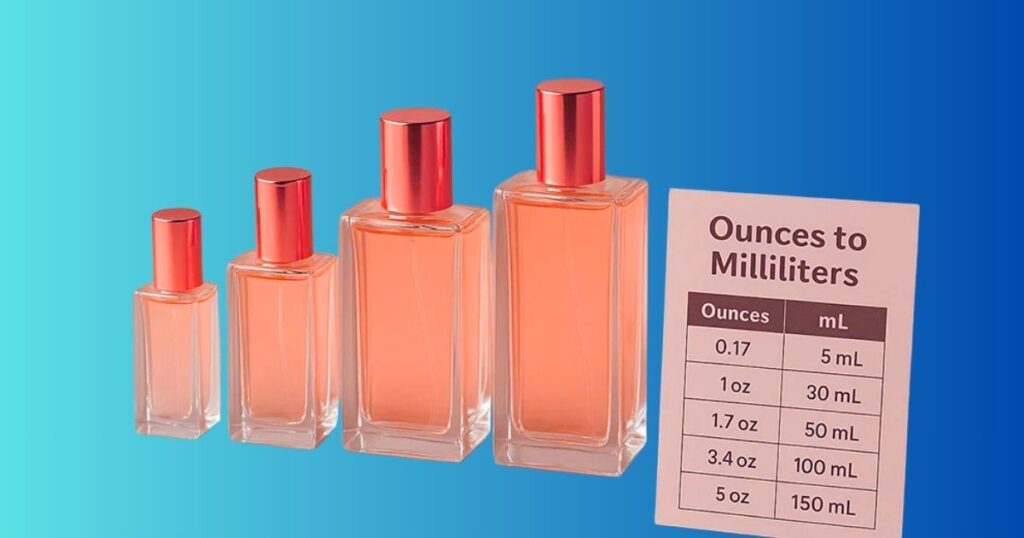
Perfume Sizes Chart
| Perfume mL Sizes | Perfume Sizes In Oz | Common Usage |
| 1 – 2 mL | 0.03 – 0.07 fl. oz. | Sample vials |
| 5 mL | 0.17 fl. oz. perfume bottle | Travel size, miniatures, samples |
| 10 mL | 0.34 fl. oz. | Travel size, rollerballs |
| 15 mL | 0.51 fl. oz. | Small travel size |
| 30 mL | 1.01 fl. oz. | Standard small bottle |
| 50 mL | 1.69 fl. oz. | Standard medium bottle |
| 75 mL | 2.54 fl. oz. | Less standard size, larger bottles |
| 100 mL | 3.38 fl. oz. | Standard large bottle |
| 200 mL | 6.76 fl. oz. | Extra large size, value size |
| 250 mL and above | 8.45 fl. oz. and above | Collector’s editions, special releases |
The Importance Of Understanding Perfume Bottle Sizes
- Understanding perfume bottle sizes is essential for casual users and fragrance enthusiasts. Perfume typically comes in sizes ranging from 5ml to 200ml or larger. Understanding these sizes helps consumers choose the right bottle for their needs.
- Scent Longevity: A larger bottle means a more concentrated formula. For instance, a 100ml bottle might last longer and is economical for daily use. Knowing this can save money and reduce the frequency of repurchases.
- Travel Considerations: If you travel frequently, smaller bottles (like 30ml) are airline-friendly. They fit easily into carry-on luggage. Regulations often limit liquids to this size for smooth airport security experiences.
- Sampling and Collecting: Smaller sizes are ideal for trying out new fragrances. Mini bottles often serve as great collector’s items and can provide variety in scent options for different occasions.
- Gift-Giving: When selecting perfumes as gifts, bottle size matters. A 50ml bottle strikes a balance between value and indulgence. Understanding the recipient’s needs can enhance the personal touch of your gift.
Different Measurement Units Of Perfumes: Fluid Ounces Vs. Milliliters
When discussing perfume, understanding measurement units is essential. The two primary units are fluid ounces and milliliters. In the United States, perfumes are often sold in fluid ounces, where one fluid ounce equals approximately 29.57 milliliters. A 3.4 fluid ounce bottle is common in many luxury fragrances and contains about 100 milliliters of perfume. Milliliters are commonly used in Europe and Asia. This unit provides greater precision, especially for small amounts of perfume. For example, a typical sample vial might hold 2 to 5 milliliters, ideal for testing a scent before committing to a full bottle. Understanding these measurements can enhance the fragrance shopping experience and help to choose the right size.
| Sizes Of Perfume Bottles | Size Of Perfume BottlesMilliliters | Perfume Bottle Sizes Oz |
| Mini Perfume | 0.5ml-1ml | 0.02oz-0.03oz |
| Sample Size | 1.5ml-25ml | 0.05oz-0.17oz |
| Normal Size | 30ml-100ml | 1.01oz-3.38oz |
| Large Perfume | 125ml-250ml | 4.23oz-8.45oz |
Standard Cologne Bottle Sizes
Cologne comes in various bottle sizes, each designed for different preferences and occasions. The most common sizes of cologne include 30ml, 50ml, and 100ml bottles. A 30ml bottle is perfect for those who like to travel or prefer smaller quantities. It fits easily in a handbag or toiletry bag. The 50ml cologne bottle size is a middle ground, while 100ml cologne bottles are ideal for fragrance aficionados who enjoy using cologne liberally.
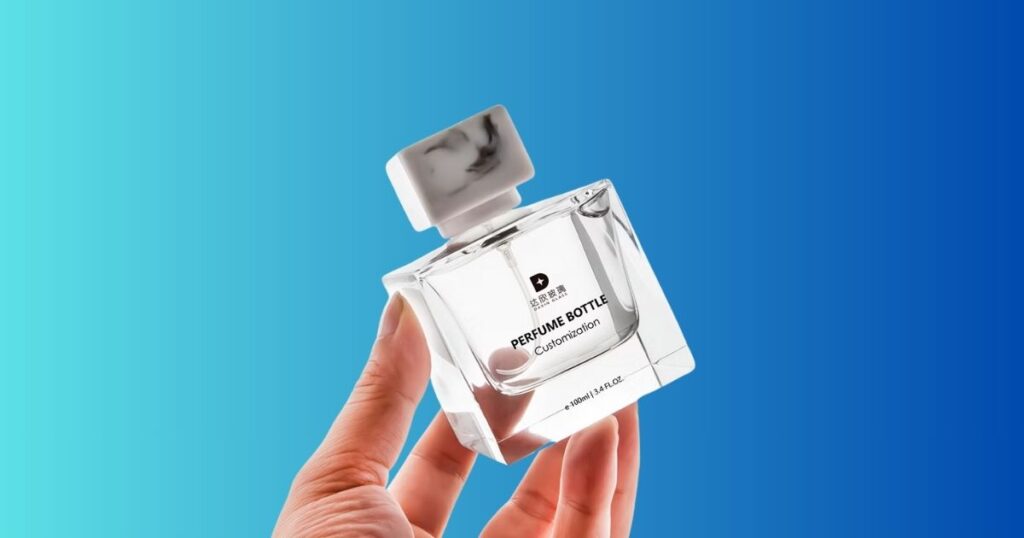
Cologne Sizes Chart
| Sizes Of Perfume | Milliliters (ml) | Ideal for | Approx. Usage Duration |
| 1 oz Perfume Size | 30 ml | Travel, Gift, Trial Sizes | 1–2 months (light use) |
| 3.4 oz Perfume Size | 100 ml | Daily wear, moderate use | 4–6 months (regular use) |
| 50 ml Perfume Size | 50 ml | Everyday use, portable | 3–4 months (regular use) |
A Comparative Analysis of Popular Perfume Bottle Sizes
When choosing a perfume, the bottle size can influence not only the price but also the practicality of use. Common sizes range from miniature 5ml bottles (perfect for travel or sampling) to larger options like 100ml or 200ml bottles. Larger bottles may seem cost-effective due to a lower price per milliliter, but they require a longer commitment to the scent. This might lead to the risk of olfactory fatigue.
The design of a perfume bottle often reflects the brand’s identity and storytelling. For instance, a sleek, minimalist design in a 50ml bottle can appeal to modern aesthetics, while a vintage-style 30ml bottle may resonate with nostalgic sensibilities.
| Size Of Perfume Bottles | Perfume Bottles Volume | Sizes Of Perfumes Common Use | Perfume Size Bottles Description |
| Small Size | 30 ml (1 oz) | Travel size, gift size | Compact, portable, ideal for travel. |
| Medium Size | 50 ml (1.7 oz) | Daily use, moderate consumption | Suitable for everyday use, easy to carry. |
| 100 ml Perfume Size | 100 ml (3.4 oz) | Regular use, popular size | Popular among regular users, good value for money. |
| Extra Large | 200 ml (6.7 oz) | Extended use, more frequent application | Less common, often seen as a value pack. |
| Very Large | 300 ml (10 oz) or larger | For heavy users or bulk buying | Larger bottles for those who use cologne often. |
Pros And Cons Of Small Perfume Bottles (1.5ml to 30ml)
Small perfume bottles typically range from 1.5ml to 30ml and offer a blend of convenience and practicality. The following are the advantages and disadvantages of small perfume bottles.
- Portability: Small perfume bottles are extremely portable. This is useful for travel and easy storage in handbags or pockets.
- Affordability: They often come at a lower price point compared to full-sized bottles. This affordability allows individuals to experiment with various scents without breaking the bank.
- Freshness: Smaller bottles can minimize waste. Since they are used up faster, the fragrance is likely to remain fresh.
- Variety: With small bottles, it’s easier to collect multiple scents. This enables users to cater to different moods or occasions without committing to a full-sized product.
- Limitations: However, a significant downside is the restricted product life. Smaller bottles can be consumed quickly and lead to frequent repurchases.
- Less Value: Economically, purchasing smaller sizes may not always be cost-effective. The price per milliliter can be higher compared to buying larger bottles.
- Limited Usage: For daily users, small bottles may require constant replenishment, which can be inconvenient and interrupt routines.
- Risk of Loss: Due to their size, small bottles can easily be lost or misplaced.
Medium-Sized Perfume Bottles (50ml to 100ml)
Medium-sized perfume bottles typically range from 50ml to 100ml. They strike a perfect balance between portability and longevity. These bottles are ideal for everyday use. A 50ml bottle usually offers about 600 sprays and is a practical choice for daily application. Medium-sized bottles often feature elegant designs.
Larger Perfume Bottle Sizes (125ml to 250ml)
Larger perfume bottle sizes range from 125ml to 250ml. They offer not only convenience but also value for fragrance enthusiasts. These bottles often provide an economical option compared to smaller sizes. For instance, buying in bulk can reduce the cost per milliliter.
3.4 Oz To ML Perfume
When converting 3.4 ounces to milliliters, the result is approximately 100 milliliters. This measurement is significant in the perfume industry because a 100 mL bottle is a standard size offered by many brands. Perfumes in this size usually offer a balance between longevity and value.
Understanding Cologne Sizes: Tips for Choosing the Right One For You
When choosing cologne, understanding the various sizes is essential. Cologne typically comes in three primary sizes: small (often 30ml), medium (50ml), and large (100ml or more). Selecting the right size can depend on how frequently you wear cologne and the occasions you attend.
Perfume Bottle Sizes Buying Tips
The following are the factors to consider when choosing a perfume bottle size.
- Usage Frequency: Consider how often you plan to wear the fragrance. A larger bottle is ideal for daily use, while a smaller size suits occasional wear or travel.
- Storage Space: Evaluate where you’ll keep the perfume. Larger bottles take up more space and may not fit in smaller vanity areas, whereas compact bottles are perfect for on-the-go storage.
- Cost-Effectiveness: Understand that larger bottles offer better value per ounce.
- Scent Longevity: Fragrances can change over time. If you opt for a large bottle, ensure you can use it within a few years, as some scents may lose their potency.
- Personal Preference: Your fragrance habits matter. If you enjoy layering scents or testing shorter-term options, smaller bottles might be suitable.
- Gift Considerations: Small to medium bottles make for thoughtful gifts because they allow the recipient to experience a fragrance without committing to a large size.
- Travel Needs: If you travel frequently, smaller bottles comply with TSA regulations.
The Relationship Between Perfume Quantity and Cost
The quantity of perfume in a bottle influences its cost. Many consumers assume that larger bottles are always more economical, but this isn’t always the case. For instance, a 100ml bottle might seem cheaper per milliliter than a 30ml bottle, but the price difference can also reflect the craftsmanship involved. High-end brands often price their fragrances based on the complexity of the scent, ingredients used, and packaging.
The price isn’t solely about size. Smaller bottles often cater to those new to a fragrance and allow them to experiment without a big commitment. This “try before you buy” approach can justify a higher per-milliliter cost. Limited edition or niche perfumes might also come in smaller quantities but can command premium prices due to their exclusivity and unique formulation.
Conclusion
Understanding perfume bottle size is essential for making the right choice. A larger bottle often provides better value for frequent users, while a small bottle is ideal for those who prefer variety or travel. The size chart can help you decode the volumes, from miniatures to standard sizes. The fragrance’s longevity and intensity can also be influenced by bottle size, as well as the type of alcohol used. Whether you prefer a small travel size or a larger option for your collection, knowing the perfume bottle sizes helps you decide.
FAQs
How Big is 50 ml Perfume?
Fifty milliliters (ml) of perfume is a common size for fragrance bottles. It is roughly equivalent to 1.7 ounces. This size is manageable and fits easily in a handbag or on a dresser. In usage, a 50 ml bottle can last several months.
How Big is 2.5 oz Perfume?
A 2.5-oz perfume bottle holds about 75 milliliters of liquid. This size is popular for personal use. It is easy to carry in a bag or take on trips. Many brands offer their fragrances in this size.
How Big is 1.7 oz Perfume?
1.7 ounces of perfume is equivalent to about 50 milliliters. This is a common size for perfume bottles. For reference, a standard shot glass holds about 1.5 ounces, so 1.7 ounces is slightly more than that.
How Many Sprays is 1.7 oz?
The number of sprays in a 1.7 oz bottle of perfume can vary. On average, a single spray delivers about 0.1 ml of fragrance. Therefore, a 1.7 oz bottle contains approximately 50 ml of liquid and typically provides around 500 sprays.
How Many Sprays is 3.4 oz?
To determine how many sprays are in a 3.4 oz bottle, look at how much perfume is released with each spray. On average, a typical spray from a perfume bottle delivers about 0.1 ml of liquid. This means that a 3.4 oz bottle usually yields about 1,000 sprays.
How Many Sprays of Cologne in 100 ml?
The number of sprays from a 100 ml bottle of cologne varies based on the type of spray nozzle and the size of each spray. On average, a standard spray delivers about 0.1 to 0.15 ml of cologne. If calculated, it is around 1,000 sprays from a 100 ml bottle.
What does 3.4 fl oz mean in Perfume?
The term “3.4 fl oz” in perfume refers to the volume of the liquid inside the bottle. “Fl oz” stands for fluid ounces, a measurement commonly used in the United States. So, 3.4 fl oz means there are 3.4 fluid ounces of perfume in the container.